14 February 2025
 Immanence, a key concept in religious thought, refers to the belief that the divine is present within the world and actively involved in human existence, contrasting with transcendence, which emphasizes God's separateness. In Christianity, God's immanence is seen through the Incarnation of Jesus Christ and the Holy Spirit’s presence within believers. Islam highlights divine closeness through Allah’s nearness, as described in the Qur'an, and practices such as prayer and remembrance of God. In Judaism, the concept of Shekhinah represents God's presence dwelling among people, deepened by Jewish mysticism. Hinduism expresses immanence through the belief that Brahman, the ultimate reality, exists within all beings as Atman, while Buddhism teaches that enlightenment is found within, through the Buddha-nature inherent in every individual. Across these traditions, immanence fosters a personal and accessible connection between the divine and humanity, shaping spiritual experiences and moral guidance. Immanence, a key concept in religious thought, refers to the belief that the divine is present within the world and actively involved in human existence, contrasting with transcendence, which emphasizes God's separateness. In Christianity, God's immanence is seen through the Incarnation of Jesus Christ and the Holy Spirit’s presence within believers. Islam highlights divine closeness through Allah’s nearness, as described in the Qur'an, and practices such as prayer and remembrance of God. In Judaism, the concept of Shekhinah represents God's presence dwelling among people, deepened by Jewish mysticism. Hinduism expresses immanence through the belief that Brahman, the ultimate reality, exists within all beings as Atman, while Buddhism teaches that enlightenment is found within, through the Buddha-nature inherent in every individual. Across these traditions, immanence fosters a personal and accessible connection between the divine and humanity, shaping spiritual experiences and moral guidance. | | | 10 February 2025
 This task involves exploring Natural Law Theory through various learning activities. You begin by noting sources of good work in their exercise book, then watch and analyze three videos on Natural Law Theory, summarizing 15–20 key points for each. Next, they engage in ethical reasoning by examining three scenarios where moral dilemmas arise, applying Natural Law principles to determine the most virtuous course of action. You then create their own scenario and analyze it using Natural Law, emphasizing concepts like human dignity, rationality, and moral responsibility. They share and discuss their scenarios with peers, providing constructive feedback on moral reasoning and clarity. Finally, students summarize their discussions, take a photo of their completed work, and submit it for marking. This task involves exploring Natural Law Theory through various learning activities. You begin by noting sources of good work in their exercise book, then watch and analyze three videos on Natural Law Theory, summarizing 15–20 key points for each. Next, they engage in ethical reasoning by examining three scenarios where moral dilemmas arise, applying Natural Law principles to determine the most virtuous course of action. You then create their own scenario and analyze it using Natural Law, emphasizing concepts like human dignity, rationality, and moral responsibility. They share and discuss their scenarios with peers, providing constructive feedback on moral reasoning and clarity. Finally, students summarize their discussions, take a photo of their completed work, and submit it for marking. | | | 14 November 2024
 Within the Religious Education high school classroom in Australia most students come from a plural context with different faith perspectives, values and life experiences. McCrindles research states 'Overall, only 9% of Christians actively practise and regularly attend a place of worship' (2022). That means out of a class of 28 students you might have 2 or 3 students who regularly attend church. This is well outside the mono Christian culture and context that existed in the past generations where there was high church attendance and a prevailing Christian world view that encouraged church attendance. Within the Religious Education high school classroom in Australia most students come from a plural context with different faith perspectives, values and life experiences. McCrindles research states 'Overall, only 9% of Christians actively practise and regularly attend a place of worship' (2022). That means out of a class of 28 students you might have 2 or 3 students who regularly attend church. This is well outside the mono Christian culture and context that existed in the past generations where there was high church attendance and a prevailing Christian world view that encouraged church attendance. | | | 10 November 2024
 In the HSC Studies of Religion Syllabus, each Depth Study students are required to choose a person or school of thought. In Christianity, we have chosen 'Saint Francis of Assisi'. Saint Francis is an excellent person to do as he speaks volumes for us in our world today. Saint Francis shows us how to care for creation, how to care for the poor, how to make peace where there is hatred. People like Pope Francis are inpsired by the example of Saint Francis. In the HSC Studies of Religion Syllabus, each Depth Study students are required to choose a person or school of thought. In Christianity, we have chosen 'Saint Francis of Assisi'. Saint Francis is an excellent person to do as he speaks volumes for us in our world today. Saint Francis shows us how to care for creation, how to care for the poor, how to make peace where there is hatred. People like Pope Francis are inpsired by the example of Saint Francis. | | | 12 July 2024
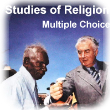 Interactive practise multiple choice questions for the Post 1945 topic for Studies of Religion HSC Syllabus. Interactive practise multiple choice questions for the Post 1945 topic for Studies of Religion HSC Syllabus. | | | 09 July 2024
 Saint Francis of Assisi, a revered figure in Christian history, profoundly impacted service, love, peace, and environmental care, inspiring people worldwide. His dedication to serving others with humility, living in poverty, and showing compassion reflected his deep love for Christ and commitment to emulate His life. Francis's efforts extended beyond charity to radical solidarity with the poor, exemplified by his interactions with lepers and the impoverished. His commitment to peace was demonstrated by his dialogue with the Sultan of Egypt, emphasizing love and understanding over conflict. As the patron saint of ecology, Francis's reverence for creation and practical actions to protect animals have influenced modern environmental movements. Inspired by his example, contemporary leaders like Pope Francis and theologians such as Sally McFague emphasize ecological stewardship and the interconnectedness of all life. Saint Francis's holistic approach continues to challenge us to adopt a more compassionate and ecologically mindful lifestyle, aiming for a just, peaceful, and sustainable world. Saint Francis of Assisi, a revered figure in Christian history, profoundly impacted service, love, peace, and environmental care, inspiring people worldwide. His dedication to serving others with humility, living in poverty, and showing compassion reflected his deep love for Christ and commitment to emulate His life. Francis's efforts extended beyond charity to radical solidarity with the poor, exemplified by his interactions with lepers and the impoverished. His commitment to peace was demonstrated by his dialogue with the Sultan of Egypt, emphasizing love and understanding over conflict. As the patron saint of ecology, Francis's reverence for creation and practical actions to protect animals have influenced modern environmental movements. Inspired by his example, contemporary leaders like Pope Francis and theologians such as Sally McFague emphasize ecological stewardship and the interconnectedness of all life. Saint Francis's holistic approach continues to challenge us to adopt a more compassionate and ecologically mindful lifestyle, aiming for a just, peaceful, and sustainable world. | | | 07 July 2024
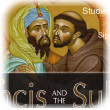 The video 'Francis and the Sultan' explores the historical encounter between St. Francis of Assisi and Sultan al-Kamil of Egypt during the time of the Crusades. It highlights themes of dialogue, mutual respect, and understanding across religious and cultural divides.The story begins with the backdrop of the Crusades, specifically the conflict over Jerusalem, a holy site for both Christians and Muslims. Despite the ongoing violence, the video focuses on the efforts of Francis, who, disillusioned by the crusades' violence, seeks a path of peace and brotherhood. He travels to the Muslim camp, not as a crusader but as a peacemaker, aiming to understand and engage with the Muslim world through dialogue rather than confrontation. The video 'Francis and the Sultan' explores the historical encounter between St. Francis of Assisi and Sultan al-Kamil of Egypt during the time of the Crusades. It highlights themes of dialogue, mutual respect, and understanding across religious and cultural divides.The story begins with the backdrop of the Crusades, specifically the conflict over Jerusalem, a holy site for both Christians and Muslims. Despite the ongoing violence, the video focuses on the efforts of Francis, who, disillusioned by the crusades' violence, seeks a path of peace and brotherhood. He travels to the Muslim camp, not as a crusader but as a peacemaker, aiming to understand and engage with the Muslim world through dialogue rather than confrontation. | | | 05 July 2024
 In the digital age, the debate between the efficacy of traditional paper and electronic screens as learning mediums has garnered significant attention. Numerous studies have examined various dimensions of this issue, consistently demonstrating that paper often provides a superior medium for learning compared to digital screens like computers or iPads. This essay explores the existing research that highlights the advantages of paper over electronic media in educational contexts. In the digital age, the debate between the efficacy of traditional paper and electronic screens as learning mediums has garnered significant attention. Numerous studies have examined various dimensions of this issue, consistently demonstrating that paper often provides a superior medium for learning compared to digital screens like computers or iPads. This essay explores the existing research that highlights the advantages of paper over electronic media in educational contexts. | | | 11 December 2023
 The Video 'Who is Jesus' from Alpha provides an overview of the evidence supporting the Bible's authenticity. It emphasizes the historical and archaeological records that corroborate biblical stories. The video also highlights the consistency of biblical manuscripts over time, comparing them favorably with other ancient texts. Additionally, it mentions external sources that align with the biblical narrative about Jesus, lending further credibility to the Bible's accounts. This overview is designed to underline the reliability and historical grounding of the Bible. The Video 'Who is Jesus' from Alpha provides an overview of the evidence supporting the Bible's authenticity. It emphasizes the historical and archaeological records that corroborate biblical stories. The video also highlights the consistency of biblical manuscripts over time, comparing them favorably with other ancient texts. Additionally, it mentions external sources that align with the biblical narrative about Jesus, lending further credibility to the Bible's accounts. This overview is designed to underline the reliability and historical grounding of the Bible. | | | 19 November 2023
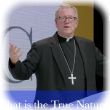 In his talk on the nature of freedom, Robert Barron explores the concept of freedom, particularly its interpretation in Western culture. He begins by referencing the influence of notable figures like Martin Luther King and Bob Dylan, using Dylan's lyrics to introduce the theme of freedom linked to truth and responsibility. Barron delves into theological perspectives on freedom, citing St. Thomas Aquinas and William of Ockham as representatives of two distinct views. Aquinas posits that true freedom aligns with God's inherent goodness, arguing that God cannot sin because His will is perfectly ordered to His goodness. In contrast, Ockham emphasizes God's absolute power, suggesting that God's will is so powerful it defines reality, thereby divorcing freedom from goodness. In his talk on the nature of freedom, Robert Barron explores the concept of freedom, particularly its interpretation in Western culture. He begins by referencing the influence of notable figures like Martin Luther King and Bob Dylan, using Dylan's lyrics to introduce the theme of freedom linked to truth and responsibility. Barron delves into theological perspectives on freedom, citing St. Thomas Aquinas and William of Ockham as representatives of two distinct views. Aquinas posits that true freedom aligns with God's inherent goodness, arguing that God cannot sin because His will is perfectly ordered to His goodness. In contrast, Ockham emphasizes God's absolute power, suggesting that God's will is so powerful it defines reality, thereby divorcing freedom from goodness. | | | 02 November 2023
 Saint Francis of Assisi is revered not only as the patron saint of Italy but also of the environment and animals, reflecting his profound love for all of creation. His commitment to peace was recognized universally, with Pope Francis emphasizing his role during a religious meeting in Bulgaria. Saint Bonaventure, in 1260, and Thomas of Celano both depicted Saint Francis as a harbinger of peace. Central to Saint Francis's teachings was the belief that genuine peace arises from forgiveness. Saint Francis of Assisi is revered not only as the patron saint of Italy but also of the environment and animals, reflecting his profound love for all of creation. His commitment to peace was recognized universally, with Pope Francis emphasizing his role during a religious meeting in Bulgaria. Saint Bonaventure, in 1260, and Thomas of Celano both depicted Saint Francis as a harbinger of peace. Central to Saint Francis's teachings was the belief that genuine peace arises from forgiveness. | | | 23 September 2023
 Brown emphasizes that courage involves showing up and being seen, even when the outcome is uncertain. Drawing from her extensive research, she identifies four key skill sets for building courage: vulnerability, clarity of values, trust, and resilience. She highlights the importance of resilience in getting back up after experiencing setbacks and failures, emphasizing that courage often involves falling down but having the strength to rise again. Brown emphasizes that courage involves showing up and being seen, even when the outcome is uncertain. Drawing from her extensive research, she identifies four key skill sets for building courage: vulnerability, clarity of values, trust, and resilience. She highlights the importance of resilience in getting back up after experiencing setbacks and failures, emphasizing that courage often involves falling down but having the strength to rise again. | | | 03 September 2023
 The educational resource titled 'Preparing for the Referendum: An Introduction to the upcoming Referendum' by the Edmund Rice Centre for Justice and Community Education provides valuable insights into the upcoming Australian Referendum, scheduled for October 14, 2023, which will focus on recognizing First Nations Australians in the Constitution through the establishment of a First Nations Voice to Parliament. The educational resource titled 'Preparing for the Referendum: An Introduction to the upcoming Referendum' by the Edmund Rice Centre for Justice and Community Education provides valuable insights into the upcoming Australian Referendum, scheduled for October 14, 2023, which will focus on recognizing First Nations Australians in the Constitution through the establishment of a First Nations Voice to Parliament. | | | 02 September 2023
 This lesson plan is designed to engage students in a comprehensive exploration of the 'Voice to Parliament' issue in Australia, allowing them to develop a well-rounded understanding of the topic, including arguments for and against it. The plan includes three options for students to choose from: creating a newsletter article, producing a professional video, or participating in a debate. Each option encourages research, critical thinking, and the presentation of unbiased information. This lesson plan is designed to engage students in a comprehensive exploration of the 'Voice to Parliament' issue in Australia, allowing them to develop a well-rounded understanding of the topic, including arguments for and against it. The plan includes three options for students to choose from: creating a newsletter article, producing a professional video, or participating in a debate. Each option encourages research, critical thinking, and the presentation of unbiased information. | | | 27 November 2022
 The number of people unaffiliated with any church or religious organisation has been on the increase. They are sometimes called the NONES. These are often people who describe themselves as spiritual but not religious. This is the fastest-growing denomination in America. Notice they do not want to call themselves Atheists. These are people who are very much in search mode. Who are looking. They are looking for meaning. These are people who are seeking some kind of path in life. They really do not like the doctrine and institutional structures through which we have inherited much of the Christian message. They want ot get at what is essential. They touch on the mystery and depth without all the furniture which goes along with it... The number of people unaffiliated with any church or religious organisation has been on the increase. They are sometimes called the NONES. These are often people who describe themselves as spiritual but not religious. This is the fastest-growing denomination in America. Notice they do not want to call themselves Atheists. These are people who are very much in search mode. Who are looking. They are looking for meaning. These are people who are seeking some kind of path in life. They really do not like the doctrine and institutional structures through which we have inherited much of the Christian message. They want ot get at what is essential. They touch on the mystery and depth without all the furniture which goes along with it... | | | 06 October 2022
 Christian churches have until recently used a reconfessional approach to problem of declining church numbers. This video puts forward a new approach of recontextualising how we engage with others. Hermeneutics are important. But the question is - which one will we use. - Studies of Religion. Post 1945. Christian churches have until recently used a reconfessional approach to problem of declining church numbers. This video puts forward a new approach of recontextualising how we engage with others. Hermeneutics are important. But the question is - which one will we use. - Studies of Religion. Post 1945. | | | 09 August 2022
 Early development of the Catholic Church in Australia for Religious Education and Studies of Religion. Topics covered - First Settlement, Anglican Church by Force, Period of Persecution, The early Catholic Church in Australia, James Dixon, castle hill rebellion, Father Jeremiah O’Flynn, and Influence of the Convict System. Early development of the Catholic Church in Australia for Religious Education and Studies of Religion. Topics covered - First Settlement, Anglican Church by Force, Period of Persecution, The early Catholic Church in Australia, James Dixon, castle hill rebellion, Father Jeremiah O’Flynn, and Influence of the Convict System. | | |
|


